
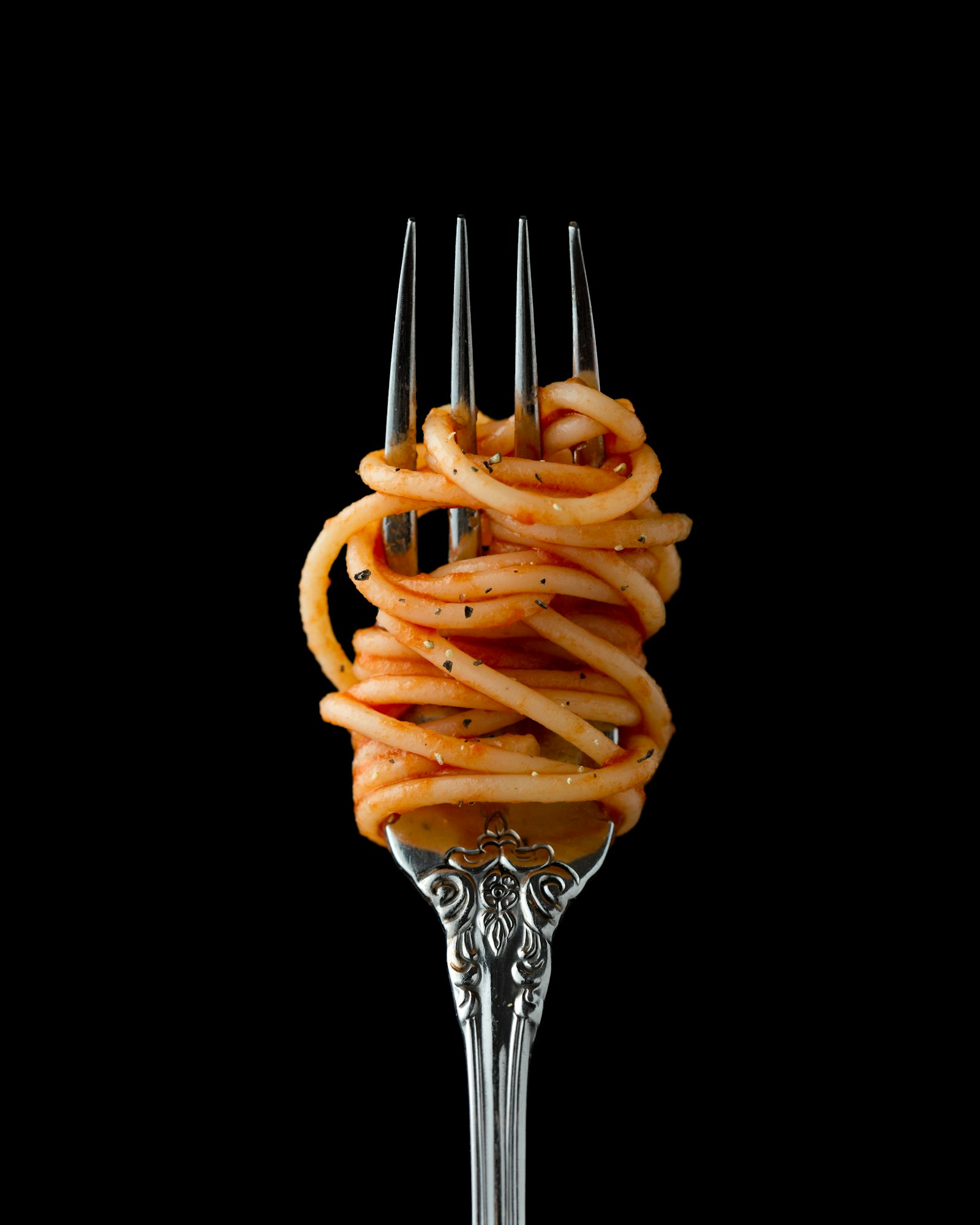
Key Takeaways & Core Principles
- Reject the perfectionist 'all-or-nothing' dichotomy; one off-track meal does not ruin your health or progress.
- Embrace the 80/20 rule: focus 80% of your intake on nutrient-dense whole foods while leaving 20% for pure social and culinary joy.
- Focus on adding nutritious foods (more plants, more water, more protein) rather than obsessing over what to eliminate.
- Anchor new eating habits to existing daily routines using 'habit stacking' principles.
The Failure of Extreme Diet Thinking
The modern wellness industry is saturated with extreme dogmas: cut out all carbohydrates, eliminate entire food groups, fast for 20 hours a day, or drink only celery juice. While extreme diets may produce dramatic short-term water-weight drops, scientific research confirms that over 85% of extreme dieters regain all lost weight within two years.
Why do rigid diets fail? Because they rely exclusively on willpower in opposition to human biology and social life. Extreme restriction elevates stress hormones (cortisol), amplifies hunger hormones (ghrelin), and creates obsessive psychological preoccupation with forbidden foods.
True nutritional sustainability is quiet, flexible, and deeply personal. It does not feel like a punishment—it feels like nourishing self-care.
The Power of the 'Addition Mindset'
Traditional dieting focuses entirely on subtraction: *don't eat sugar, don't eat bread, don't eat after 7 PM*. This creates a deprivation mindset that triggers psychological resistance.
Transform your relationship with food by switching to an Addition Mindset:
- Instead of saying *'I cannot eat pasta'*, ask *'How can I add 2 cups of roasted vegetables and 4 oz of grilled chicken to this pasta dish?'*
- Instead of saying *'I must give up snacks'*, ask *'What fresh fruit or handful of nuts can I add to my afternoon routine for sustained energy?'*
- Instead of saying *'I must cut calories'*, ask *'Can I add a large glass of water before my morning coffee?'*
By prioritizing nutrient density, you naturally crowd out less nourishing options without feelings of deprivation.
Mastering the 80/20 Framework for Lifelong Freedom
The 80/20 principle is the antidote to perfectionism:
- The 80% Foundation: Devote approximately 80% of your meals to minimally processed whole foods—colorful vegetables, lean proteins, intact grains, legumes, nuts, and healthy fats that fuel your physiology.
- The 20% Flexibility: Reserve roughly 20% of your dietary life for spontaneous culinary pleasure—a slice of birthday cake with family, an artisanal pizza on date night, or a scoop of gelato on vacation.
Crucially, the 20% is not a 'cheat meal' accompanied by guilt or compensation. It is an intentional, guilt-free component of a healthy, socially connected human life.
Building Automatic Habits Through Habit Stacking
Sustainable habits stick when they are anchored to behaviors you already perform automatically every day:
- *'After I turn on the morning coffee maker, I will drink an 8-ounce glass of water.'*
- *'When I unpack my groceries, I will immediately wash and chop my celery and carrots for visible snacking.'*
- *'Whenever I prepare dinner, I will double the roasted vegetables so tomorrow's lunch is already made.'*
By designing your kitchen environment and stacking habits, healthy eating shifts from an exhausting daily decision to a seamless lifestyle rhythm.
“Consistency beats intensity every single time. A moderate healthy pattern sustained for decades will always outperform a brutal diet sustained for six weeks.”
Frequently Asked Questions
Evidence-aware clarifications and practical tips from our editorial team.
Do not fast, skip meals, or over-exercise as punishment. Simply resume your normal balanced eating at the very next meal. One weekend of indulgence has virtually zero impact on your long-term metabolic health when your baseline habits are strong.
Sources & Scientific Literature
1. Long-Term Weight Loss Maintenance and Behavioral Flexibility — International Journal of Behavioral Nutrition and Physical Activity (2026).
2. Psychological Correlates of Rigid vs. Flexible Dietary Restraint — Appetite Clinical Research (2026).
3. Habit Stacking and Environment Design in Lifestyle Interventions — Behavioral Medicine Annals (2026).
Related Reading
Continue with closely related nutrition guidance and practical recipes.
- Article How to Build a Balanced Meal: A Practical, Nutrient-Dense Framework
- Article A Practical Guide to Planning Balanced Meals: Weekly Templates and Strategy
- Article How to Meal Prep for a Healthy Week: The Stress-Free Kitchen System
- Recipe Healthy Crispy Chicken Quesadilla with Charred Peppers & Fresh Pico
- Recipe Elegant Romantic Dinner Recipes: Pan-Seared Wild Salmon & Lemon Asparagus
- Recipe Slow-Braised Herb & Spiced Beef Brisket with Root Vegetables