Monday
Sheet-pan
Chicken fajitas, peppers, onions and warm tortillas
Next move: Extra filling becomes Tuesday lunch bowls
A useful meal plan starts with the calendar, not a fantasy version of the week. Match the cooking method to your available time, then use a flexible formula to build the meal.
The time-to-table matrix
| Available time | Best method | Flexible formula | Example |
|---|---|---|---|
| 5 minutes | Assemble | Protein + produce + whole-grain base + flavorful condiment | Tuna, white bean and tomato toast |
| 15 minutes | Sauté | Quick protein + frozen vegetables + pre-cooked grain | Egg fried brown rice with peas and spinach |
| 30 minutes | Roast | Sheet-pan protein + two vegetables + simple sauce | Chicken fajitas with peppers and lime yogurt |
| Weekend | Batch cook | Slow-cooked main + grain + bright vegetable side | Braised brisket with roots and cabbage slaw |
A complete example
This plan intentionally repeats components while changing the final format. That reduces prep without making every night feel identical.
Monday
Sheet-pan
Next move: Extra filling becomes Tuesday lunch bowls
Tuesday
Bowl
Next move: Freeze remaining rice in flat portions
Wednesday
One pot
Next move: Reserve two lunch portions
Thursday
Fast skillet
Next move: Flake leftovers into Friday salad
Friday
Flexible
Next move: Clear the refrigerator before the weekend
The leftover transformer
Roasted protein
Slice with crunchy vegetables and yogurt-herb sauce.
Cooked grain
Sauté with egg, frozen peas, scallions, and sesame.
Roasted vegetables
Simmer with broth, blend, and finish with beans or yogurt.
Cooked legumes
Mash with lemon and herbs, or shape with crumbs and pan-sear.
Recipes that demonstrate the system
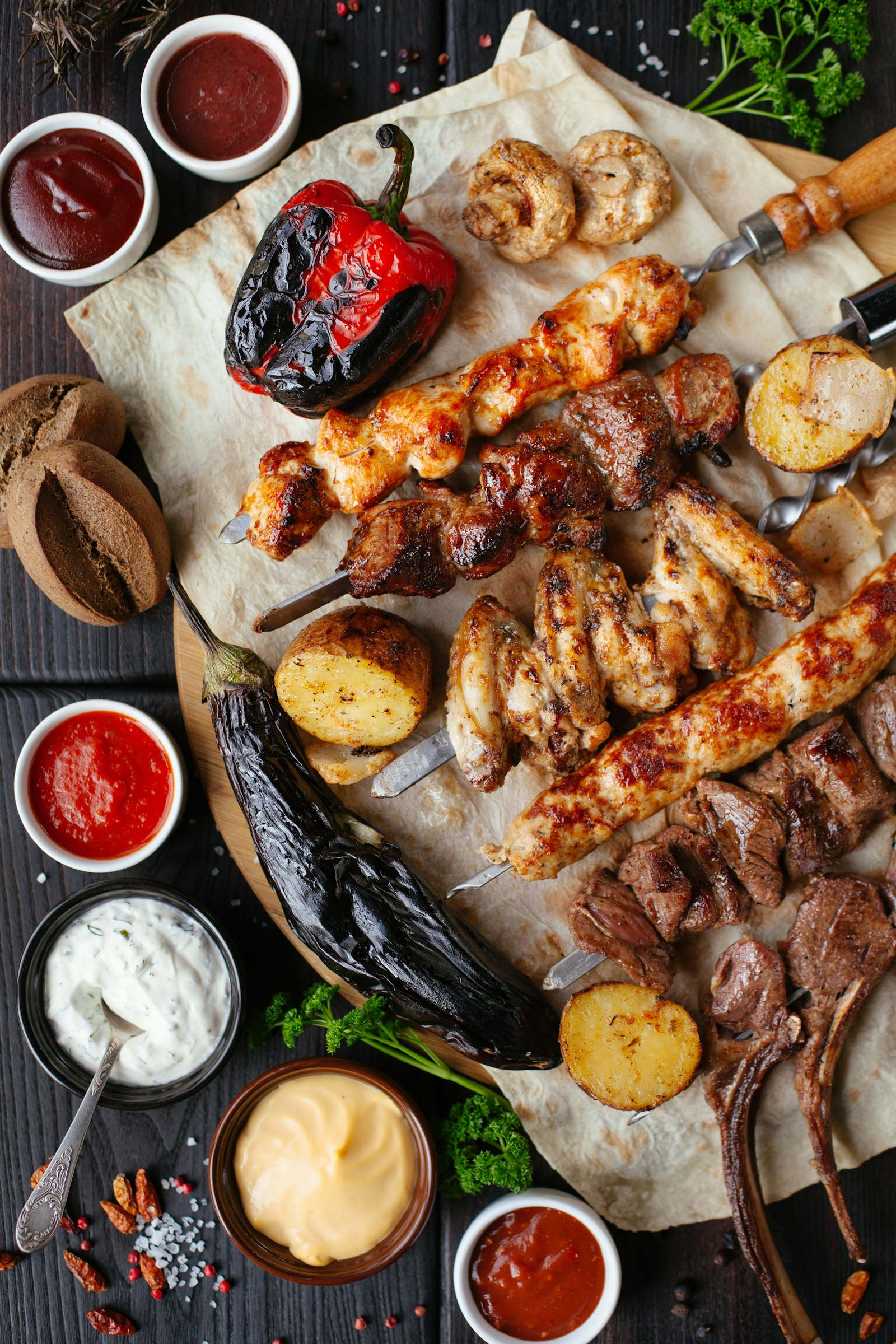
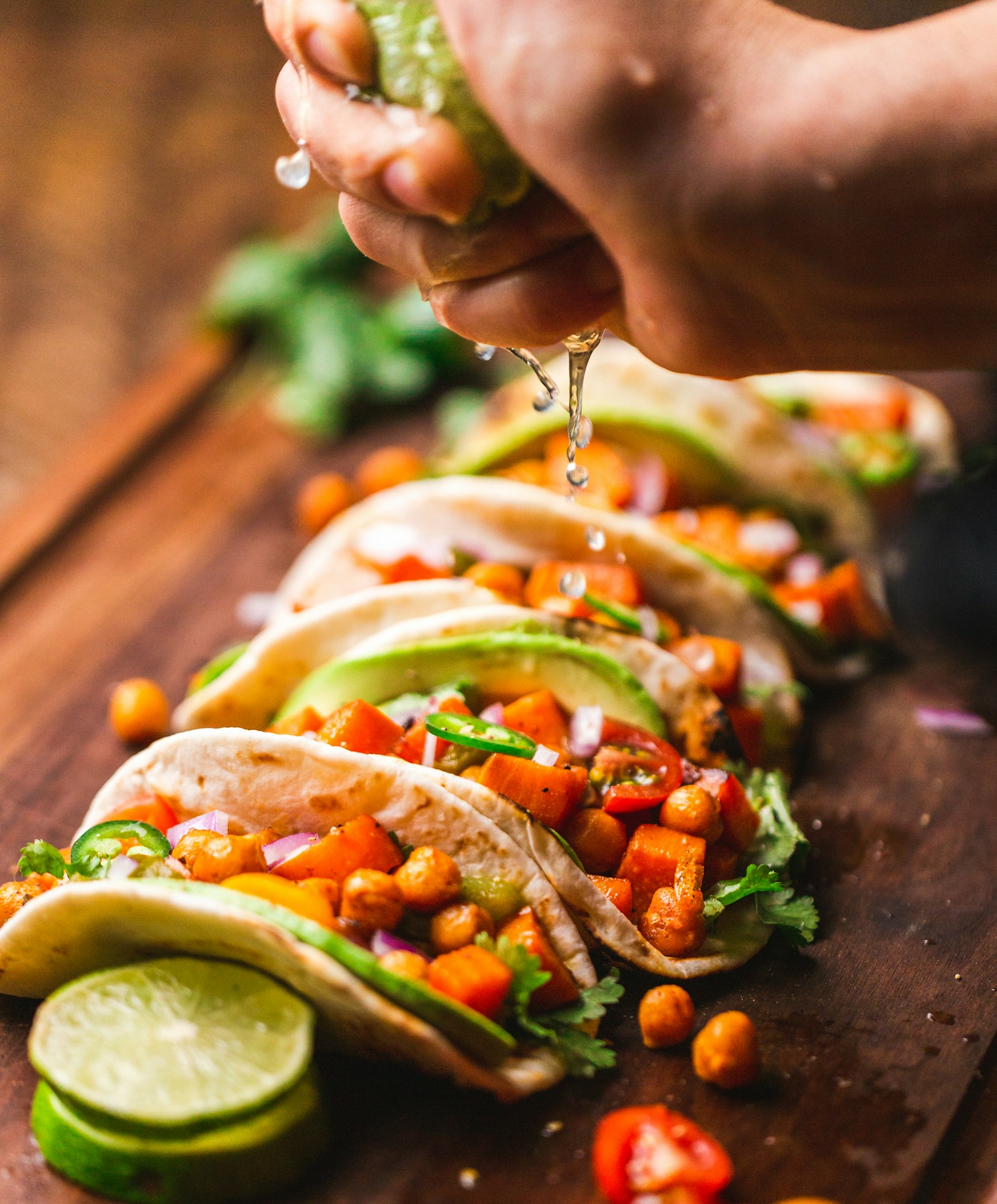
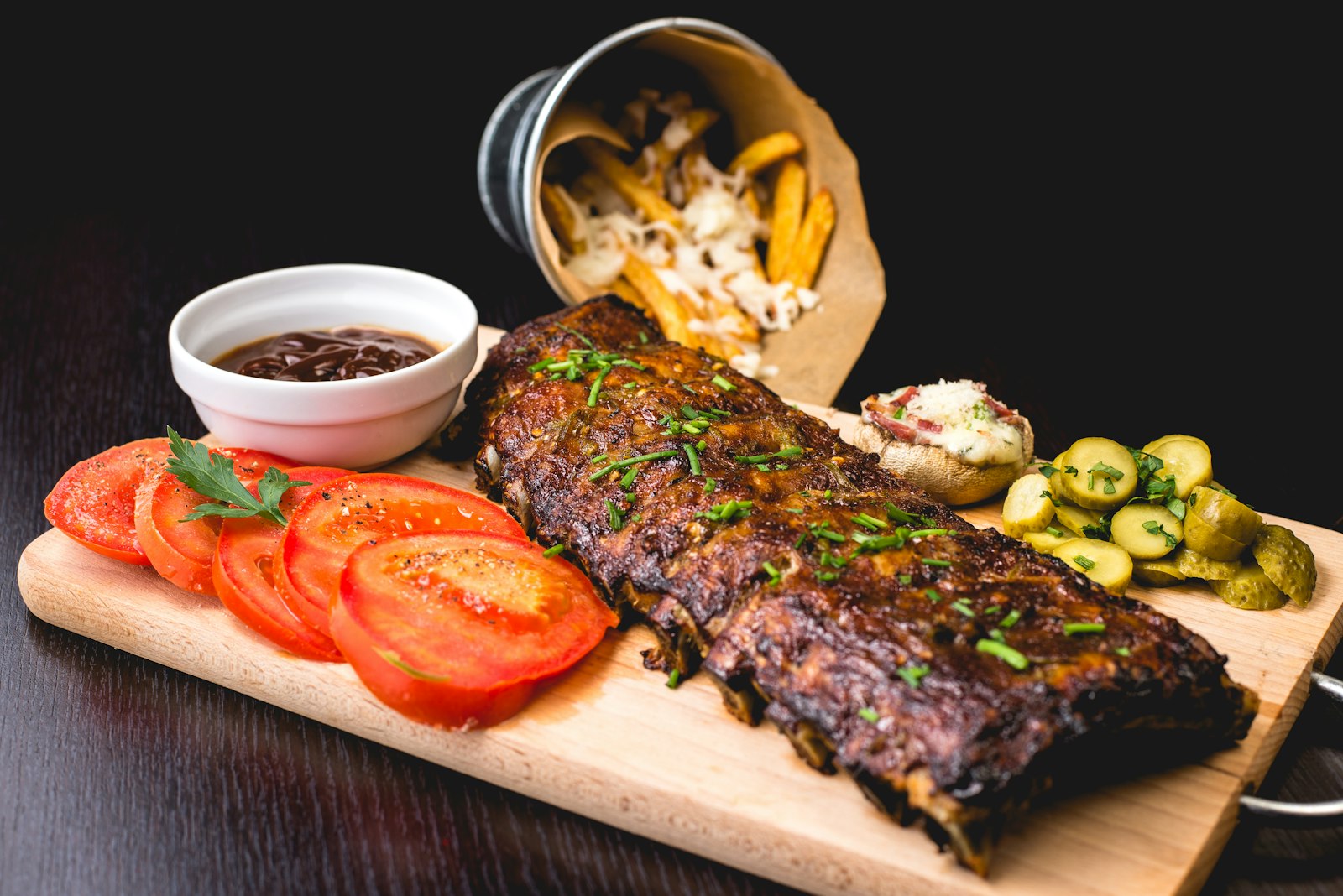
235 minutes · Intermediate
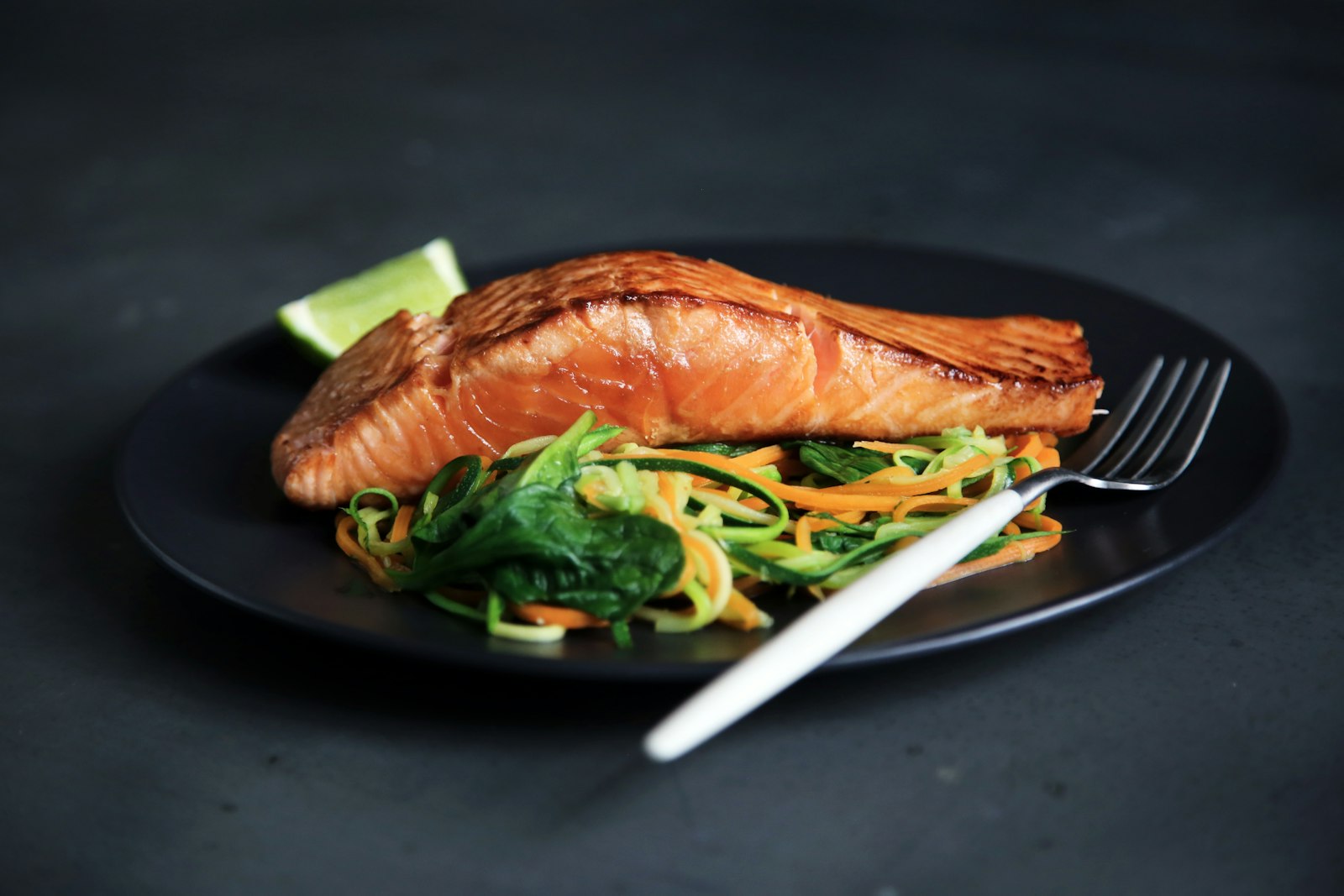
30 minutes · Intermediate
Simple answers for building meals around a real schedule.
For many households, planning three or four dinners is more realistic than planning seven. Use leftovers, simple assembly meals, social plans, and one flexible night to complete the week.