Color
Vegetables & fruit
Vitamins, polyphenols, hydration, flavor
Nutrition becomes practical when you can choose good produce, store it well, use the right cooking method, and combine ingredients for flavor, texture, and nutrient availability.
The ingredient lens
No single ingredient needs to be a “superfood.” A strong kitchen uses complementary food families that cover different nutritional and culinary jobs.
Vegetables & fruit
Vitamins, polyphenols, hydration, flavor
Whole grains & roots
Energy, texture, resistant starch
Legumes & proteins
Protein, iron, zinc, lasting fullness
Fats, nuts & seeds
Aroma, richness, fat-soluble vitamins
Herbs & fermented foods
Acidity, umami, microbial variety
Kitchen reference table
| Food family | Choose | Store | Use |
|---|---|---|---|
| Leafy greens | Crisp leaves without slime or yellow edges | Dry container lined with a towel | Quick sauté, steam, or add raw at the end |
| Cruciferous vegetables | Firm heads and tightly closed florets | Unwashed in a breathable refrigerator bag | Roast or steam; avoid prolonged boiling |
| Berries | Dry, plump fruit without leaking juice | Unwashed and refrigerated in a ventilated container | Use raw, frozen, or briefly simmered |
| Whole grains | Intact grains with no stale or oily smell | Airtight in a cool cupboard; freeze for long storage | Batch-cook and chill in shallow containers |
| Legumes | Dry or low-sodium canned varieties | Dry in airtight jars; refrigerate opened cans | Rinse canned beans or simmer dry beans until tender |
The pairing lab
Pairings can improve flavor, texture, satisfaction, and the availability of certain nutrients. They also make simple food feel complete.
Useful pairing
Fat supports absorption of lipid-soluble carotenoids such as lycopene.
Useful pairing
Vitamin C helps improve absorption of non-heme iron.
Useful pairing
Fat adds satisfaction and helps absorb vitamins A, E, and K.
Useful pairing
Piperine and fat can improve culinary use and absorption of curcuminoids.
A realistic weekly rotation
A focused basket reduces waste while still creating variety through different cooking methods and seasonings.
Use raw once, roasted once, and folded into a soup or bowl.
Choose fruit or vegetables with different colors and textures.
One animal or soy option plus one legume keeps meals flexible.
Batch-cook the grain; roast or steam the root as needed.
Ingredient studies
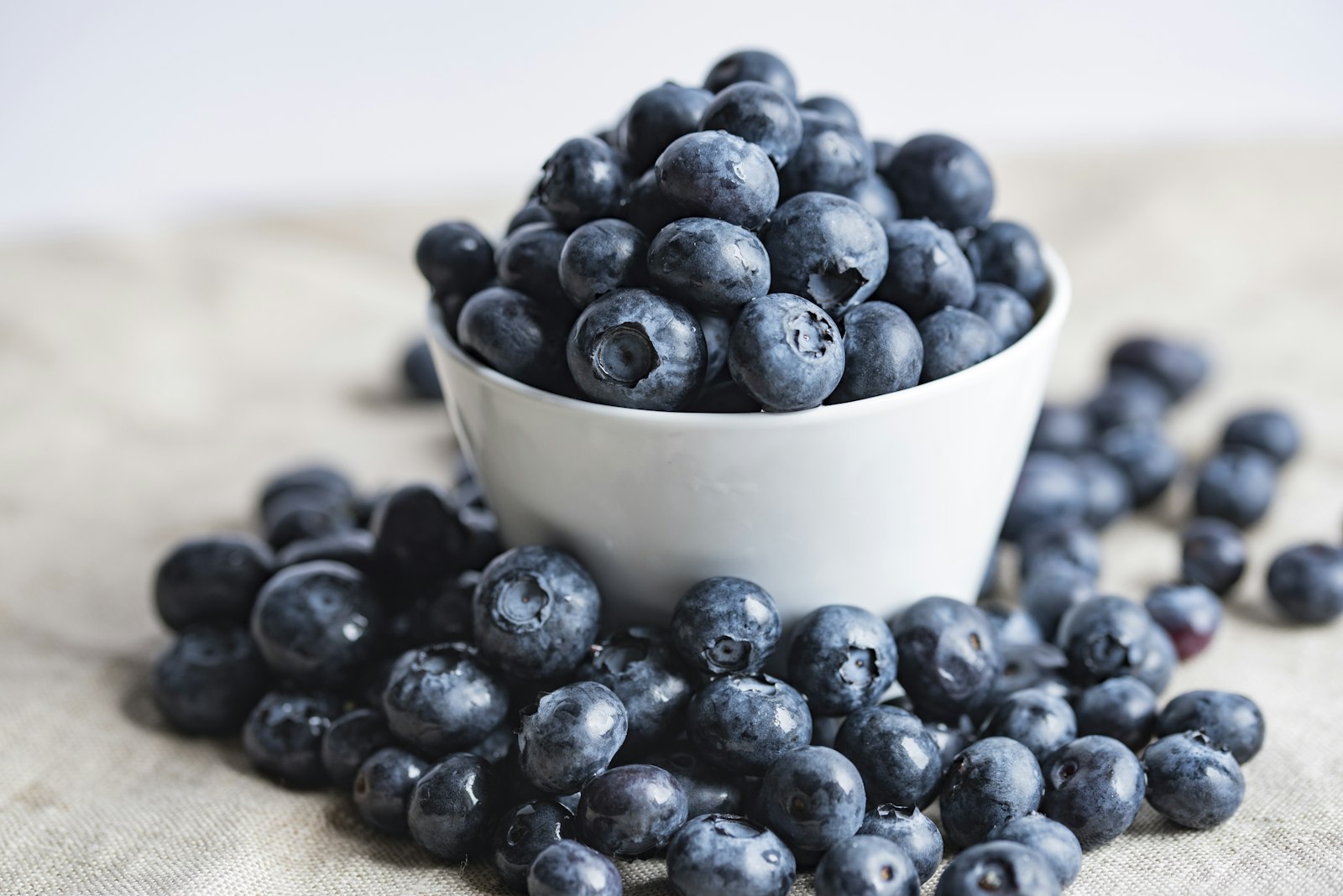
Ingredients & Nutrition
Blueberries are celebrated for their dense antioxidant profile and rich polyphenol content. Discover their exact vitamin breakdown, digestive benefits, and creative culinary applications.
Open ingredient guide →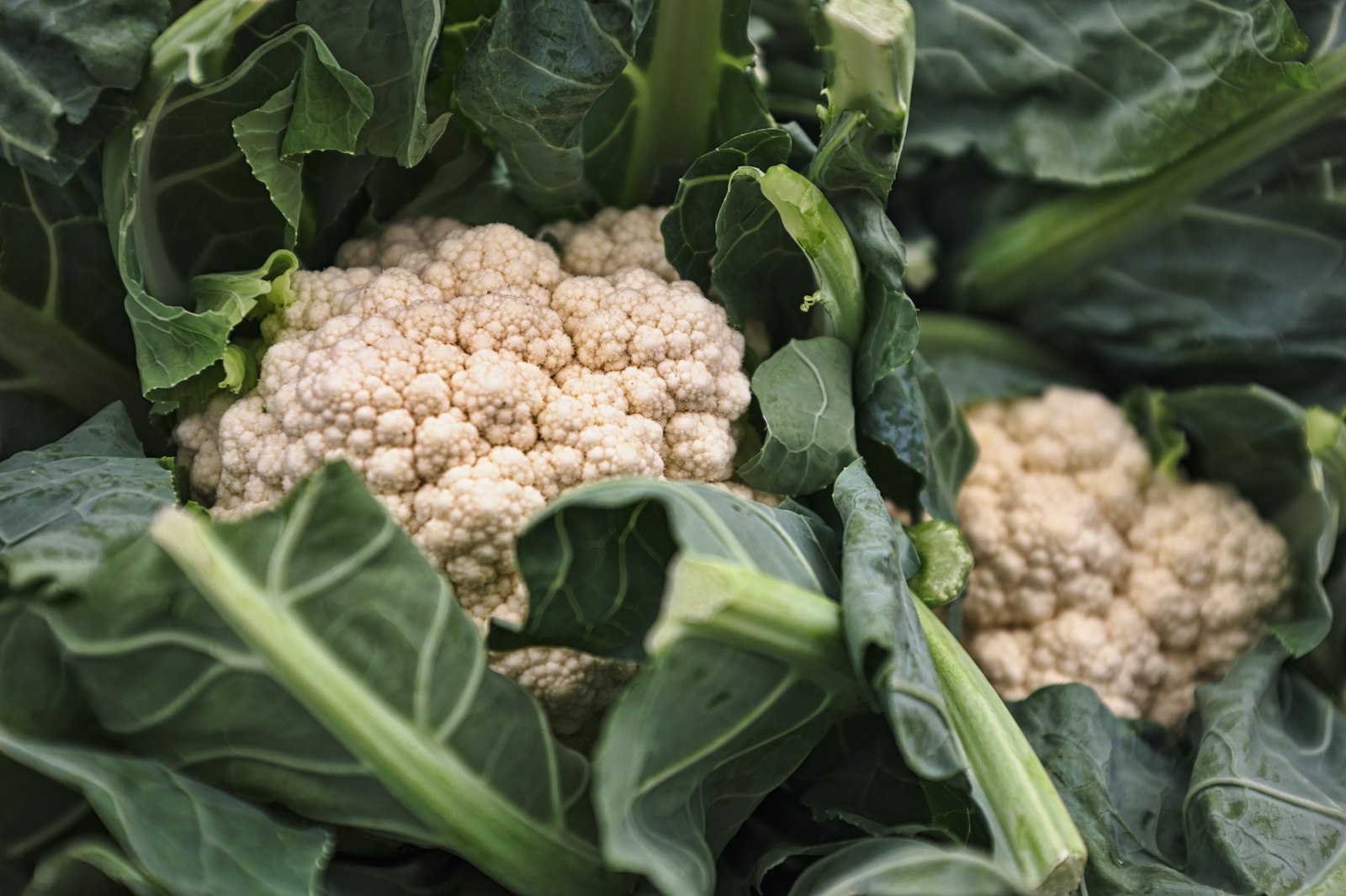
Ingredients & Nutrition
From fiber and vitamin C to glucosinolates and choline, cauliflower is a nutritional powerhouse with unmatched culinary versatility.
Open ingredient guide →Practical answers for shopping, storage, and everyday cooking.
Usually not. Frozen vegetables are commonly processed soon after harvest and remain useful nutrient-rich options. Texture and preparation method often matter more than the fresh-versus-frozen label.